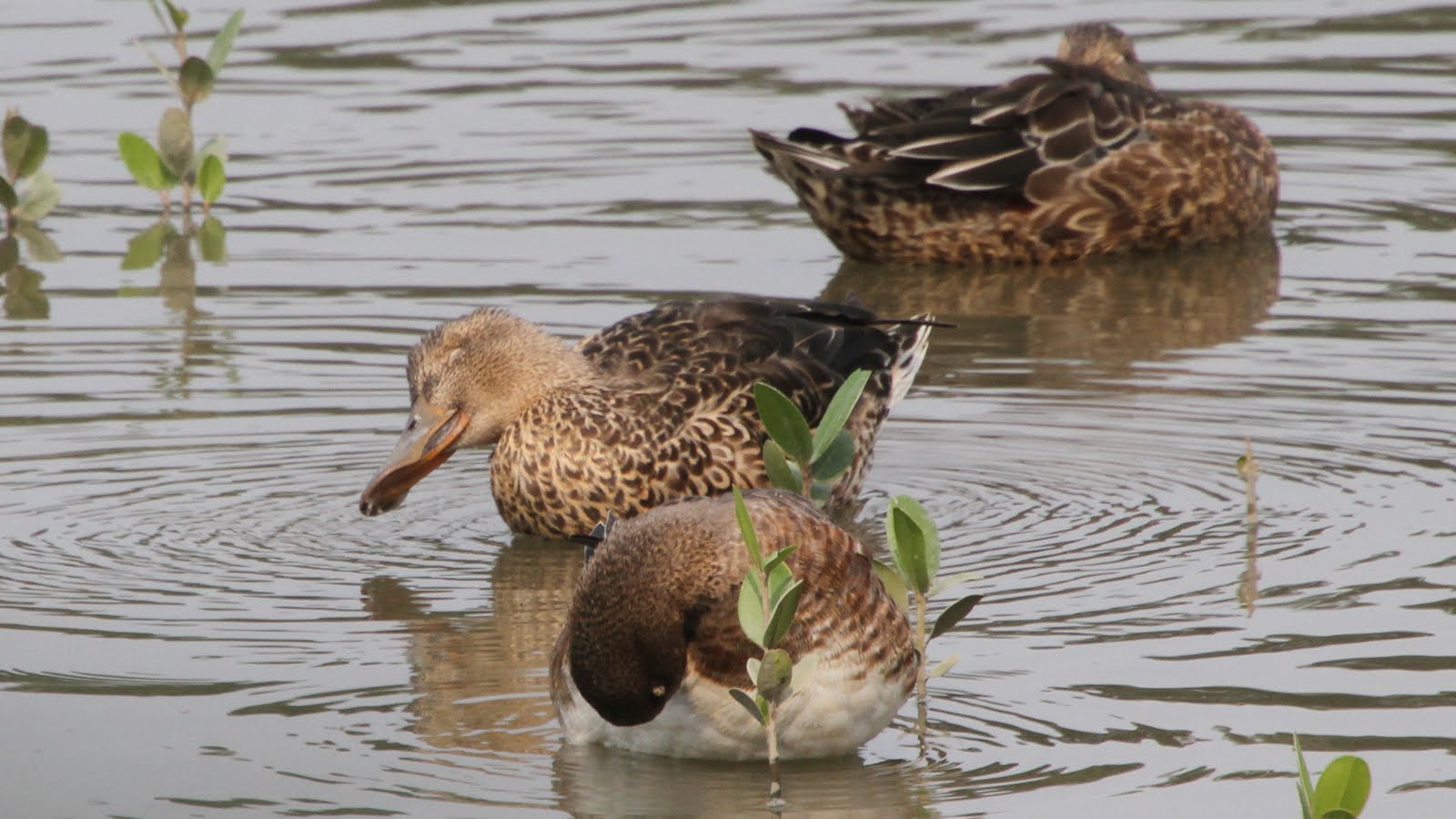
138 Greater Painted-Snipe 彩鷸
Long Valley 塱原 10 May 2011 , 4:35 pm
Long Valley 塱原 10 May 2011 , 4:35 pm


彩鷸 ( Rostratula benghalensis )為彩鷸科 彩鷸屬。珍貴稀有,沼澤鳥類產地在亞洲 。鳥種中很少雌鳥較雄鳥漂亮,彩鷸雌鳥較雄鳥漂亮,顏色較鮮明
特徵
有深黃色中央線、乳白色的過眼線,後頸為栗褐色,頸側前頭為深褐色,背為暗綠色,兩側有黃色縱綠;雌鳥外觀與雄鳥相似。
築巢在田梗上,為一妻多夫制,雌鳥於產卵後即離開,抱卵及育雛的工作為雄鳥所負責,多在清晨、黃昏時活動,白天則隱入草叢。
雌鳥體長可達24厘米,較雄鳥稍大,羽毛也較有光彩。 眼周有白色環,向後延伸成一條紋;上背和上胸具一廣闊的銅棕色環;其余羽色以灰褐、暗褐色為主,並多雜以蟲樣斑紋。
遷徙:主要為留鳥, 長江 以北為夏候鳥。 春季3月末4月初遷到北部繁殖地, 秋季 於10月初遷離繁殖地。
生境:棲息於平原、 丘陵 和山地中的蘆葦水塘、沼澤、河渠、河灘草地和 水稻 田中。
體型:體重♂103-150g,♀140-180g;體長♂224-260mm,♀240-278mm; 嘴峰 ♂41-50mm,♀46-52mm;翅♂122-135mm,♀128-147mm;尾♂ 39-50mm,♀35-52mm;跗蹠♂38-44mm,♀38-46mm。
食性:以昆蟲、 蝗蟲 、 蟹 、蝦、蛙、 蚯蚓 、軟體動物、螺等各種小型無脊椎動物和植物葉、芽、種子和穀物等植物性食物為食。
習性: 性隱秘而膽小,多在晨、昏和夜間活動,白天隱藏在草叢中,受驚時通常也一動不動地隱伏著,直至人走至跟前,才突然飛起,邊飛邊叫。 飛行時兩腳下垂,速度較慢,飛不多遠又落下。 在開闊地區通過快速奔跑,亦能游泳和潛水。 通常單獨或呈鬆散的小群活動和覓食。
。
身體和喙似鷸,有明顯的 斑點 ,體長約25公分(10吋),體羽褐和白色。 孟加拉彩鷸(Rostratula benghalensis)產於東半球,分佈自非洲到澳大利亞和 日本 ,眼周有淡黃色「眼鏡」。 南美的半領彩鷸(Nycticryphes semicollaris)色較深,背具一黃色條紋。 兩種彩鷸的 雌鳥 均較雄鳥大,顏色亦較鮮豔。 雌鳥向雄鳥求愛,雄鳥承擔大部分營巢工作。 營巢於地面。 孟加拉彩鷸每窩產卵4枚,半領彩鷸產卵2枚。 幼雛有絨羽,出殼後很快即能入水。沙錐 (snipe)則屬於鷸科(Scolopacidae)的鳥類。
描述:體型略小(25厘米)而色彩艷麗的沙錐樣涉禽。 尾短。 雌鳥:頭及胸深栗色,眼周白色,頂紋黃色;背及兩翼偏綠色,背上具白色的"V"形紋並有白色條帶繞肩至白色的下體。 雄鳥:體型較雌鳥小而色暗,多具雜斑而少皮黃色,翼覆羽具金色點斑,眼斑黃色。
虹膜-紅色;嘴-黃色;腳-近黃色。
彩鷸- 生長繁殖
繁殖期5-7月。 營巢於淺水外蘆葦叢或水草叢中,也在 水稻 田中營巢。 巢主要由枯草構成,通常置巢於蘆葦或水草或稻秧間淺水處的草堆上或土台上。 每窩產卵3-6枚,通常為4-5枚。 卵為卵圓形和梨形,棕黃色和黃色,被有紅褐色、黑褐色或血紅色斑點,卵的大小為32-40mm×22-26mm,平均36mm×26mm。 一雌多雄制,一個雌鳥與數個雄鳥交配,並產數窩卵,分別由不同雄鳥孵化,孵化期約19天。
Medium-sized, plump wading bird. Long reddish-brown bill, slightly decurved at tip, and distinct white or pinkish eye patch. Rounded, buff-spotted wings and short tail. White of breast extends up around top of folded wing. The Painted Snipe is not related to the true snipes and differs from them in habits, flight and appearance, being far more colorful and having longer legs than the snipes. It is unusual in showing reversed sexual dimorphism; the female is larger and more brightly colored than the male, with the sides of the head, neck and throat a rich chestnut brown, and a distinct black band across the breast; the male is paler and greyer.
Behaviour
Not a vocal species; the male at times utters a shrill trill, while the female makes a guttural ook sound as well as hissing noises during breeding displays.
Usually found close to the fringes of reed beds along shorelines of marshes, swamps, ponds and streams.
Solitary or in pairs, sometimes in groups of up to 12. Rather shy and retiring, skulking close to the vegetation so that it can retreat to cover if disturbed. When flushed, flies like a rail with legs dangling. Bobs hindquarters on landing and sometimes when walking. Probes for food in the mud. The female initiates courtship and may mate with more than one male. The male incubates the eggs.
Food and feeding
The feed on insects, crustaceans, molluscs and seeds.
Reproduction
The females court the males, are polyandrous with males incubating and raising the young as predicted byparental investment theory. Chicks are buff coloured and have black stripes running along their length. Immature birds resemble the male but lack the broken dark band across the breast. Males are also known to carry the chicks to safety under the wings.
The nest is usually a shallow scrape in soft ground, lined with plant material and situated among grass or reeds at the water's edge; sometimes a pad of vegetation or a nest of grass and weeds. The breeding season is between April and July.
Medium-sized, plump wading bird. Long reddish-brown bill, slightly decurved at tip, and distinct white or pinkish eye patch. Rounded, buff-spotted wings and short tail. White of breast extends up around top of folded wing. The Painted Snipe is not related to the true snipes and differs from them in habits, flight and appearance, being far more colorful and having longer legs than the snipes. It is unusual in showing reversed sexual dimorphism; the female is larger and more brightly colored than the male, with the sides of the head, neck and throat a rich chestnut brown, and a distinct black band across the breast; the male is paler and greyer.
Behaviour
Not a vocal species; the male at times utters a shrill trill, while the female makes a guttural ook sound as well as hissing noises during breeding displays.
Usually found close to the fringes of reed beds along shorelines of marshes, swamps, ponds and streams.
Solitary or in pairs, sometimes in groups of up to 12. Rather shy and retiring, skulking close to the vegetation so that it can retreat to cover if disturbed. When flushed, flies like a rail with legs dangling. Bobs hindquarters on landing and sometimes when walking. Probes for food in the mud. The female initiates courtship and may mate with more than one male. The male incubates the eggs.
[edit]Food and feeding
The feed on insects, crustaceans, molluscs and seeds.
Reproduction
Male with chicks
The females court the males, are polyandrous[2][3] with males incubating and raising the young as predicted by parental investment theory. Chicks are buff coloured and have black stripes running along their length.[4] Immature birds resemble the male but lack the broken dark band across the breast. Males are also known to carry the chicks to safety under the wings.
The nest is usually a shallow scrape in soft ground, lined with plant material and situated among grass or reeds at the water's edge; sometimes a pad of vegetation or a nest of grass and weeds. The breeding season is between April and July.
Reference: